 Reviews

 Proudly American
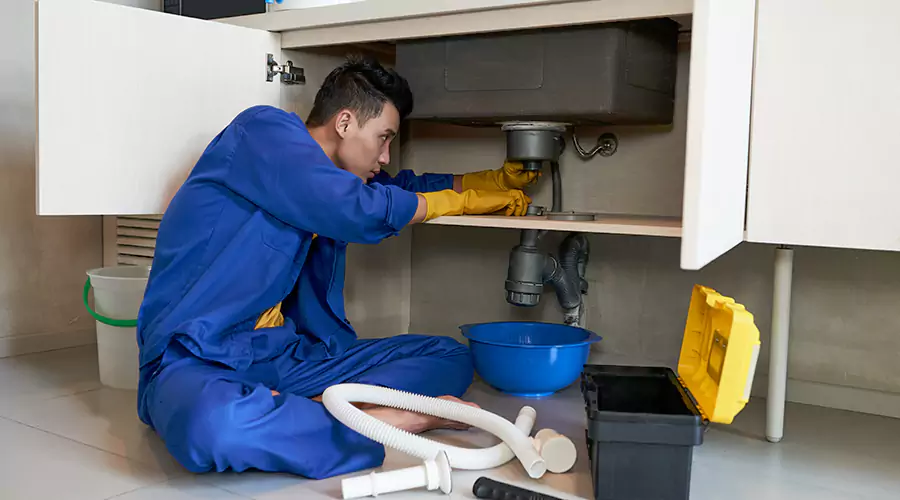
Clogged drains are more than just a minor inconvenience—they can create serious problems that affect your entire plumbing system. Even small blockages, if left untreated, can lead to slow drainage, pipe stress, water backups, and costly repairs. Understanding how clogs develop and how they impact your plumbing is essential for homeowners who want to maintain a safe, efficient, and reliable water system.
This guide explores common causes of clogged drains, early warning signs, how blockages affect your plumbing, and preventive solutions to keep your system running smoothly. Proper knowledge can save you from emergency repairs, water damage, and unnecessary stress.
Common Causes of Clogged Drains
Clogs can occur for several reasons, often depending on the type of drain:
1. Accumulation of Hair and Soap
Hair strands can combine with soap residue in bathroom sinks, tubs, and showers, creating stubborn blockages. Over time, this buildup reduces water flow and increases pressure on pipes, potentially leading to leaks. Even routine washing or shaving can contribute to hair accumulation in drains, making them one of the most frequent causes of bathroom clogs.
2. Grease and Fat Buildup
Pouring grease, oil, or fat down kitchen drains may seem convenient, but these substances solidify as they cool, sticking to pipe walls. This narrows the pipe diameter, slows water flow, and increases the risk of complete blockages in kitchen plumbing. Over time, accumulated grease can mix with other debris, forming a dense clog that may require professional intervention to remove.
3. Food Particles and Debris
Food scraps that bypass garbage disposals or are poured down drains can accumulate inside PVC or copper pipe installations. Small particles may not cause immediate issues but gradually restrict water flow, leading to slow drainage and backups. Kitchen sinks, in particular, are prone to clogs from starchy foods, coffee grounds, and fibrous vegetables.
4. Foreign Objects
Small toys, sanitary products, wipes, or other items accidentally flushed down toilets or drains can create major blockages. These items can catch on internal pipe bends or other debris, creating stubborn obstructions that prevent proper drainage and may damage plumbing over time.
5. Tree Roots and Pipe Damage
Underground sewer and water pipes may be infiltrated by tree roots searching for moisture. Roots can crack or shift pipes, resulting in repeated clogs and damage that may require trenching or pipe replacement. Older pipes are especially vulnerable, and ignoring this problem can lead to frequent backups and higher repair costs.
Signs of a Clogged Drain
Early detection of clogs can prevent serious plumbing problems. Watch for these warning signs:
- Slow drainage in sinks, tubs, or showers.
- Gurgling or bubbling sounds from drains.
- Foul odors coming from drains, toilets, or sink pipes.
- Water backing up into multiple fixtures at the same time.
- Frequent need for plunging or repeated drain cleaning.
How Clogged Drains Affect the Entire Plumbing System
Even minor clogs can trigger a chain reaction that impacts the entire plumbing system:
1. Increased Pressure on Pipes
Blockages increase water pressure in affected sections. Excess pressure strains water pipe installations, which can cause leaks or even burst pipes. Over time, this can weaken pipe walls, leading to further plumbing failures.
2. Water Backups and Overflows
Clogs in drains or sewer lines may cause wastewater to back up into sinks, bathtubs, or toilets. This poses health risks and potential water damage to flooring, walls, and personal belongings. In severe cases, untreated backups can compromise a home’s foundation or flooring materials.
3. Damage to Plumbing Fixtures and Appliances
Slow drains and backed-up water can affect dishwashers, washing machines, and garbage disposals. Mineral deposits, grease, and debris from clogs accelerate wear on fixtures, valves, and appliances, shortening their lifespan and reducing overall efficiency.
4. Sewer Line Problems
Persistent or recurring clogs may signal deeper issues in the main sewer line. Ignoring these blockages can require expensive trenching, sewer pipe installation, or full sewer line replacement, which are far more costly than routine maintenance.
5. Unpleasant Odors and Hygiene Issues
Standing water from clogs encourages bacterial growth, creating foul smells that can spread throughout the home. These odors are not just unpleasant—they may indicate unsanitary conditions that could pose health risks to family members.
Preventive Tips for Homeowners
Proper care can help prevent clogs and maintain a healthy plumbing system:
- Avoid pouring grease, fat, or coffee grounds down kitchen sinks.
- Use drain screens in showers, tubs, and sinks to catch hair and debris.
- Dispose of sanitary products and foreign objects in the trash instead of toilets.
- Schedule regular professional inspections and cleaning of drains and sewer lines.
- Periodically flush water pipe installations to remove sediment, debris, or mineral buildup.
When to Call a Professional Plumber
While minor clogs may be cleared with a plunger or DIY solutions, professional plumbing services are essential for:
- Persistent or recurring clogs that DIY solutions cannot resolve.
- Slow drainage affecting multiple fixtures or areas in the home.
- Blockages in main sewer lines or underground pipes.
- Inspection, maintenance, and repair of PVC, copper, or sewer pipe installations.
Professional plumbers have the expertise, advanced tools, and experience to remove blockages safely, prevent further damage, and maintain optimal water flow throughout your home.
Conclusion
Clogged drains may appear minor, but their impact on your plumbing system can be significant. From increased pipe pressure and water backups to damaged fixtures, appliances, and sewer line issues, neglecting clogs can result in costly repairs and potential health hazards.
By recognizing early warning signs, implementing preventive measures, and calling a professional plumber when needed, homeowners can protect their plumbing, maintain efficiency, and ensure a safe, healthy living environment. Don’t wait for a severe blockage—schedule a professional drain inspection and maintenance today to safeguard your entire plumbing system.